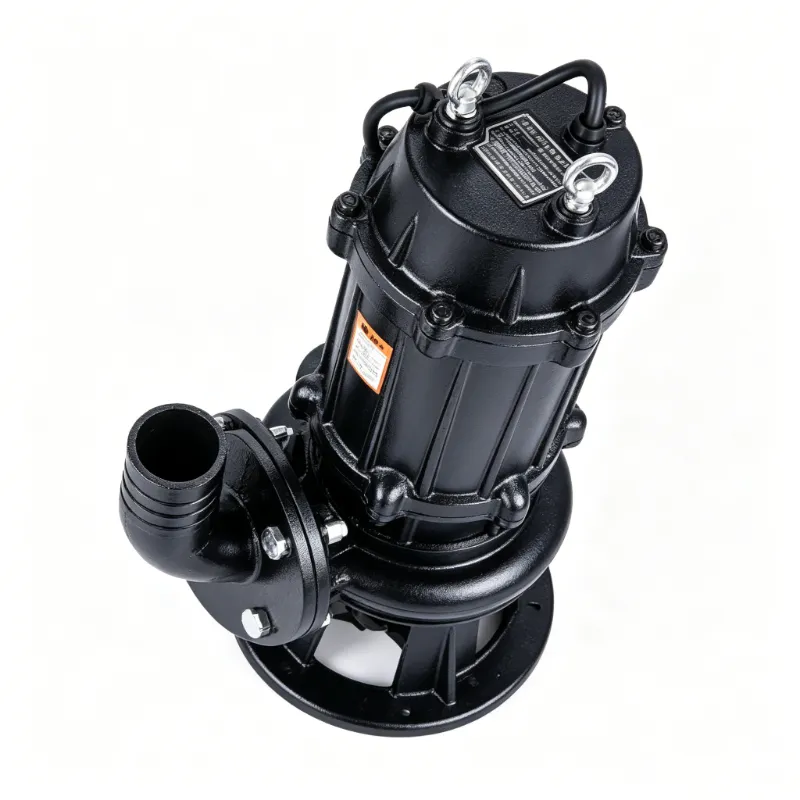


Unveiling the Reliability: Sewage Pumps
In modern construction, municipal engineering and daily residential life, where efficient wastewater disposal is a fundamental demand, there lies an essential mechanical device that ensures smooth fluid drainage and maintains a clean living environment — sewage pumps. These robust and functional devices, widely applied yet often overlooked, play an irreplaceable role in tackling sewage, wastewater and stagnant water. They stabilize drainage systems, prevent waterlogging and safeguard the normal operation of various spaces. In this article, we will explore the craftsmanship behind sewage pumps, their mainstream types, and their extensive applications across multiple fields. Let’s dive into the practical and powerful world of sewage pumps.
Types of Sewage Pumps
Before learning about their practical uses, let’s get acquainted with the most common types of sewage pumps on the market:
Submersible Sewage Pumps
As the most mainstream model, submersible sewage pumps are designed to work fully submerged in water and sewage. Featuring a compact structure and strong blocking resistance, they excel at transporting sewage mixed with solid particles, debris and fibers. With low noise and easy installation, they are the preferred choice for most conventional drainage projects.
Self-priming Sewage Pumps
Different from submersible models, self-priming sewage pumps can operate above the water surface without pre-filling water before startup. They boast excellent self-priming performance and stable suction capacity, ideal for occasions where the pump cannot be placed underwater or needs frequent movement. They work well for medium and long-distance sewage transportation.
Cutting Sewage Pumps
Equipped with a built-in cutting impeller, cutting sewage pumps can crush long fibers, cloth, branches and other impurities in sewage. This design effectively avoids pipeline blockage and greatly improves drainage efficiency. It is specially developed for severe sewage environments with complex impurities.
Vertical Sewage Pumps
Vertical sewage pumps adopt a vertical overall structure, occupying minimal floor space. They deliver large flow and high lift, and can operate continuously for a long time. Mainly installed in fixed pump houses and large drainage stations, they are widely used for large-scale centralized sewage treatment.
Horizontal Sewage Pumps
With a horizontal layout, this type of pump runs steadily with low vibration. It is easy to inspect and maintain, and adapts to various low-lift and large-flow drainage scenarios. It is commonly matched with pipeline systems for industrial wastewater discharge.
Applications of Sewage Pumps
The utility of sewage pumps goes far beyond basic domestic drainage. Professional pump equipment serves diverse industries and scenarios, solving water drainage troubles for all kinds of spaces:
Residential Buildings
In high-rise apartments, villas and residential communities, sewage pumps handle domestic wastewater from kitchens, bathrooms and public areas. They ensure unobstructed indoor and community drainage, creating a hygienic living environment for residents.
Municipal Engineering
Urban road drainage, underground pipe networks, sewage treatment plants and rainwater collection systems all rely on sewage pumps. They drain rainwater in rainy days and transport urban domestic sewage, preventing urban waterlogging and supporting municipal operation.
Industrial Factories
Manufacturing workshops, chemical plants, food factories and printing factories produce a large amount of production wastewater every day. Corrosion-resistant and high-efficiency sewage pumps transport industrial wastewater to treatment facilities, complying with environmental discharge standards.
Basements & Underground Spaces
Underground garages, underground shopping malls, basement warehouses and subway stations are prone to water accumulation. Sewage pumps timely discharge stagnant water and sewage, protecting equipment and building structures from water damage.
Agricultural Scenarios
Farmland irrigation, livestock farms and rural centralized sewage treatment all need supporting drainage pumps. They discharge breeding wastewater and field stagnant water, helping modern agriculture develop in a standardized and environmentally friendly way.
Commercial Venues
Shopping malls, hotels, restaurants, gymnasiums and large entertainment venues have dense population and large water consumption. High-performance sewage pumps guarantee continuous and stable drainage, maintaining the normal operation of commercial places.
How to Choose Better Sewage Pumps
For engineering purchasers, property managers and individual users, selecting a suitable sewage pump is the key to long-term stable operation. Here are core factors for reference:
Flow Rate & Head
Flow rate determines the daily drainage capacity, while head represents the maximum water delivery height. Choose matched parameters according to actual pipeline length, floor height and drainage volume to avoid insufficient power or resource waste.
Blockage Resistance & Cutting Performance
For sewage containing solid particles, fibers and debris, prioritize pumps with excellent anti-clogging design or built-in cutting functions, which can reduce pipeline failures and maintenance frequency.
Material & Corrosion Resistance
Sewage contains chemical components and impurities. Pumps made of cast iron, stainless steel and anti-corrosion materials have longer service life and stronger adaptability to complex water quality.
Continuous Operation Stability
Qualified sewage pumps support long-time non-stop operation with stable motor performance, low failure rate and effective overheating protection, suitable for 24-hour working scenarios.
Noise & Vibration Control
For residential areas, hotels and indoor spaces, select pumps with optimized mute structure and low vibration, to avoid noise disturbance to people around.
Installation & Maintenance Convenience
Choose products with simple installation, detachable structure and easy access to spare parts. Simple daily maintenance can greatly reduce later use costs.
Safety Protection Function
Integrated protection functions such as overload protection, leakage protection and dry-run protection can effectively prevent motor burnout and electrical risks, ensuring safe use.
Conclusion
As we conclude this introduction, we have explored the powerful functions, diverse types and wide applications of sewage pumps. From ordinary family drainage to large-scale municipal projects, from industrial wastewater treatment to agricultural water management, reliable sewage pumps act as silent guardians, keeping all drainage systems running smoothly. Behind every stable drainage process lies the exquisite manufacturing technology and rigorous quality control of pump manufacturers. These practical mechanical devices silently contribute to a clean, orderly and comfortable space. We should recognize the value of such essential equipment, as steady water drainage is the solid foundation for the normal operation of modern society and daily life.